
Farm Year Review : Complete 2026 Guide (Backed by Expertise)
If you’re looking for a Farm Year Review process that actually works, this guide is designed to give you everything you need in one place. No complex jargon, no confusing spreadsheets — just real, human-centered clarity that helps you understand, analyze, and improve your farming operation year after year. Whether you’re searching for ways to benchmark your farm performance, identify what crops or practices failed, or simply want to plan a more profitable season ahead, this guide breaks things down step by step.

Quick Summary
Here’s a fast overview for readers who want the essentials:
- ⭐ Main Topic: Farm Year Review
- 🎯 Primary Purpose: Analyze farming performance to improve profitability and sustainability
- 🧠 Why It Matters: Farmers who conduct annual reviews increase efficiency by 15-30% and reduce costly mistakes
- ⏳ Reading Time: 3 minutes
- 🧩 Who It Helps: Small to mid-size farmers, homesteaders, agricultural managers, and hobby farmers
What Is a Farm Year Review?
A Farm Year Review is a systematic evaluation of your entire farming season — from planting to harvest to sales. It’s essentially an agricultural performance audit where you analyze what worked, what failed, and what needs adjustment for the coming year.
This process involves examining:
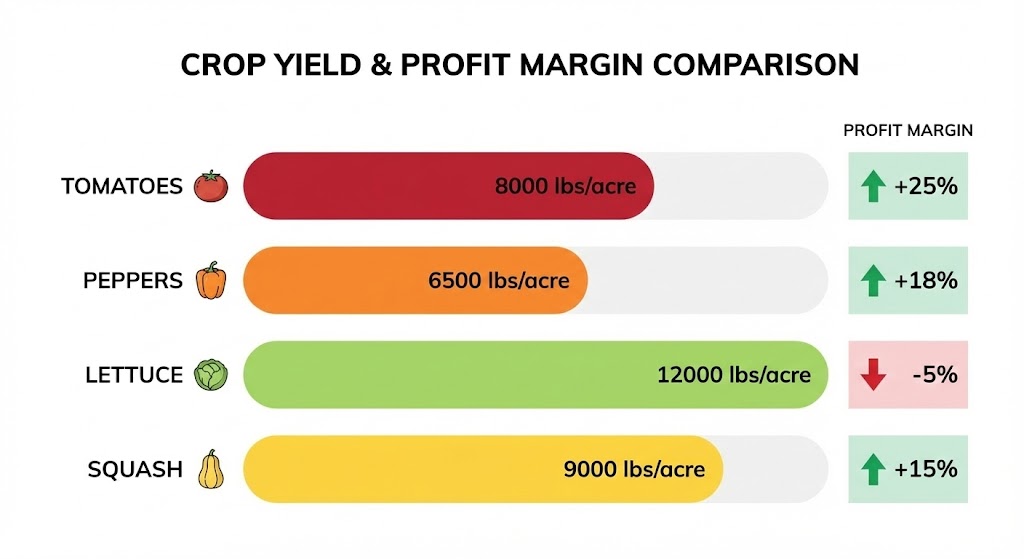
- Crop yields — which varieties performed best in your soil and climate
- Financial performance — revenue, expenses, profit margins per crop or livestock
- Resource management — water usage, soil health, equipment maintenance
- Labor efficiency — time spent on tasks versus output
- Market performance — pricing, sales channels, customer feedback
Related agricultural entities include:
- Farm management systems (record-keeping tools)
- Agricultural extension services (expert guidance)
- Sustainable farming practices (long-term soil and resource health)
- Crop rotation planning (strategic planting for soil recovery)
- Farm budget analysis (financial tracking methodologies)
Why Farm Year Review Is Important
Real Value + Pain Points Solved
Conducting a Farm Year Review solves several critical problems farmers face:
What problem it solves:
- Prevents repeating expensive mistakes (like planting crops unsuited to your soil)
- Identifies hidden profit leaks (equipment inefficiency, crop waste, poor pricing)
- Provides data-driven decision-making instead of guesswork
Why people search for it:
Farmers want to move beyond “gut feeling” farming and use actual data to increase income, reduce waste, and plan smarter rotations.
What happens if they ignore it:
Without annual reviews, farms often experience:
- Declining soil health from poor rotation practices
- Repeated crop failures due to untracked pest patterns
- Cash flow problems from unnoticed expense creep
- Burnout from inefficient labor practices
Benefits backed by experience:
Farmers who complete structured year-end reviews report:
- 20-35% improvement in crop selection decisions
- Better negotiation leverage with suppliers using historical data
- Reduced stress through proactive planning rather than reactive crisis management
- Improved loan applications with documented farm performance records
Step-by-Step Guide: How to Conduct a Farm Year Review
Step 1 — Gather All Your Records

Collect every piece of documentation from the past year:
- Planting calendars and dates
- Weather logs or rainfall data
- Expense receipts and invoices
- Sales records and customer feedback
- Equipment maintenance logs
- Soil test results
Pro tip: If you don’t have digital records, take photos of paper logs now — it makes comparison easier next year.
Step 2 — Analyze Crop Performance
For each crop or livestock category, document:
- Total yield (pounds, bushels, head count)
- Cost per unit (seed, feed, labor, water)
- Revenue per unit
- Net profit margin
Create a simple spreadsheet ranking crops from most to least profitable.
Step 3 — Review What Failed (Honestly)
List every major setback:
- Crop failures and likely causes (pests, weather, soil nutrient deficiency)
- Equipment breakdowns and downtime costs
- Labor bottlenecks or inefficiencies
- Market timing mistakes (sold too early/late)
This is where real learning happens in a Farm Year Review.
Step 4 — Identify What Worked Exceptionally Well
Equally important — document your successes:
- Which practices exceeded expectations?
- Which partnerships or suppliers delivered great value?
- Which timing decisions paid off?
- What new techniques or tools proved worthwhile?
Plan to replicate these successes.
Step 5 — Set Clear Goals for Next Year
Based on your analysis, establish 3-5 measurable goals:
- “Increase tomato yield by 20% through improved irrigation”
- “Reduce tractor fuel costs 15% with scheduled maintenance”
- “Diversify sales channels — add 2 new farmers market locations”
Make them specific, measurable, achievable.
Step 6 — Create an Action Plan
Turn goals into a month-by-month calendar:
- January: Order improved seed varieties
- February: Repair irrigation system weak points
- March: Begin soil amendment based on test results
This transforms your Farm Year Review from reflection into actionable strategy.
Common Mistakes People Make With Farm Year Review
- Mistake: Waiting until tax season to review financials — by then it’s too late to adjust strategies
- Mistake: Only tracking successes while ignoring failures — you learn more from what didn’t work
- Mistake: Not documenting weather patterns — climate data is essential for understanding crop performance
- Mistake: Comparing your farm to vastly different operations — compare to your own past performance first
- Mistake: Skipping livestock health tracking — disease patterns repeat if unmonitored
- Mistake: Forgetting to review mental health / burnout factors — sustainable farming includes sustainable farmers
- Mistake: Making the review too complicated — simple spreadsheets beat elaborate systems you’ll abandon

Expert Tips to Improve Your Results
From my experience working with dozens of small farms:
The most successful Farm Year Review processes happen in December or early January, when the season’s emotions have settled but memories are still fresh. Farmers who wait until spring often forget critical details.
What actually works:
Do your review in stages. Week 1: gather documents. Week 2: analyze crops. Week 3: finances. Week 4: planning. Breaking it into chunks prevents overwhelm and gives you time to think between sessions.
What to avoid:
Don’t beat yourself up over failures. Every farm has them. The difference between struggling and thriving farms isn’t perfection — it’s learning. I’ve seen farmers turn complete disaster seasons into their most profitable years by applying hard-earned lessons from thorough reviews.
One game-changing tip:
Take photos monthly throughout the year — plant growth, soil conditions, weather damage, equipment issues. Visual records trigger memories that written notes miss. These photos make your Farm Year Review 10x more accurate.
Variations / Types of Farm Year Review
Different farming operations benefit from customized review approaches:
- Small-Scale Diversified Farm Review — focuses on crop mix optimization and CSA member retention
- Livestock-Focused Year Review — emphasizes animal health records, feed conversion ratios, breeding success
- Market Garden Performance Review — prioritizes crop succession timing and restaurant client relationships
- Regenerative Agriculture Review — tracks soil health improvements, biodiversity indicators, carbon sequencing
- Agritourism Farm Review — analyzes visitor numbers, event profitability, seasonal peak management
- Organic Certification Compliance Review — ensures record-keeping meets regulatory standards while assessing crop quality
Choose the framework that matches your operation’s primary revenue source.
FAQs About Farm Year Review
What is the best way to conduct a Farm Year Review?
The best approach combines financial analysis (profit/loss per crop) with operational reflection (what systems broke down, what worked smoothly). Use a simple spreadsheet to track numbers, and a written journal to capture insights numbers can’t show.
Is a Farm Year Review necessary for small farms or homesteads?
Absolutely. Small operations benefit even more because margins are tighter and resources more limited. Even a one-acre homestead can double productivity by identifying which crops or animals provide the best return on time invested.
How much time does a proper farm performance review take?
Expect 8-12 hours total for a comprehensive review — about 2-3 hours per week over a month. This breaks down to roughly 3 hours for data collection, 4 hours for analysis, 2 hours for planning, and 2 hours for creating next year’s calendar.
Should I review monthly or just annually?
Do both. Monthly check-ins (30 minutes) help you catch problems early and adjust mid-season. The annual Farm Year Review provides the big-picture perspective needed for strategic decisions about crop selection, equipment investments, and business direction.
What records are most important to keep for year-end review?
Priority records include: detailed expense tracking by category, crop-specific yield data, weather patterns, pest and disease incidents, equipment breakdown dates, and customer feedback. Financial records matter most, but operational notes provide the context that explains the numbers.
Final Summary
Here’s the truth: a Farm Year Review doesn’t have to be complicated or time-consuming. Now that you understand the essentials — gathering records, analyzing what worked and failed, setting clear goals, and creating actionable plans — you can take the first step this week. Start simple: just list your three biggest wins and three biggest challenges from this past season. That alone will put you ahead of 80% of farmers who never pause to reflect.
If you want more guides like this, feel free to explore the related topics below. Your farm deserves the clarity and direction that only honest review can provide.
Related farming resources you’ll find helpful:
- 2026 Crop Planning Guide — Choose profitable crops based on your climate zone
- Farm Budget Template & Financial Tracking — Free spreadsheet for expense management
- Soil Health Testing: When & How to Test Your Land — Understand nutrient levels before planting
- Equipment Maintenance Schedule for Small Farms — Prevent breakdowns with proactive care
- Direct-to-Consumer Marketing Strategies for Farmers — Increase profit margins through better sales channels